
Read-Aloud Questions That Start a Conversation
Use a few thoughtful read-aloud prompts, allow time to answer, and respond to children’s ideas. Includes original examples for home and classroom story time.
Read-Aloud Questions That Start a Conversation
Ask a question when something in a picture or story catches your child’s attention, pause for their response, and build on what they share. Choose a few useful prompts rather than interrupting every page. Children can also enjoy listening quietly; a conversation is an invitation, not a requirement to prove they understood the book.
Start with something your child notices
Before reading, show the cover and follow your child’s interest. If they point to a door, comment on the door before asking about the whole story. During reading, pause at a moment that offers something to discuss. Afterward, return to a picture they wanted to see again.
NAEYC’s guidance on asking questions recommends open-ended prompts, time to think, and attentive responses. Eastern Connecticut State University’s Family Reading Time resource explains that book conversations can support children’s language and early literacy. That supports making space for dialogue, without promising a particular reading outcome.
Four original prompts to try
These examples are suggestions created for this article. Use only the ones that fit the book and your child’s interest.
- Notice: “Which little detail should we look at together?” Let your child point before you describe it.
- Explain: “What in this picture helped you decide that?” Use this after a child offers an idea about a character or event.
- Imagine: “If this character could ask us for help, what might they ask?” Accept more than one possibility when the story allows it.
- Connect: “Where else have you seen something like that?” A memory, a different book or an imaginary example can continue the discussion.
A question does not need to be complicated to be useful. If an open prompt feels too broad, offer a choice about something visible in the illustration, then invite the child to explain or point.
Respond before asking another question
Suppose a child says, “That place is cozy.” You might reply, “You think it looks cozy. I notice the warm light. Show me what you noticed.” This acknowledges their idea and gives them a way to add to it.
If they offer an unexpected interpretation, look together: “Let’s check this picture and the words.” Explain factual details when needed, while keeping imaginative answers open when there is no single answer.
If the child says “I don’t know,” share your own observation and continue reading. Avoid immediately stacking several replacement questions.
Try a conversation about homes and belonging
A House for Every Heart is described in the store as a story about different homes, families and belonging. Its themes provide a starting point for a shared discussion; the prompts below are our additions, not quoted passages or included book activities.
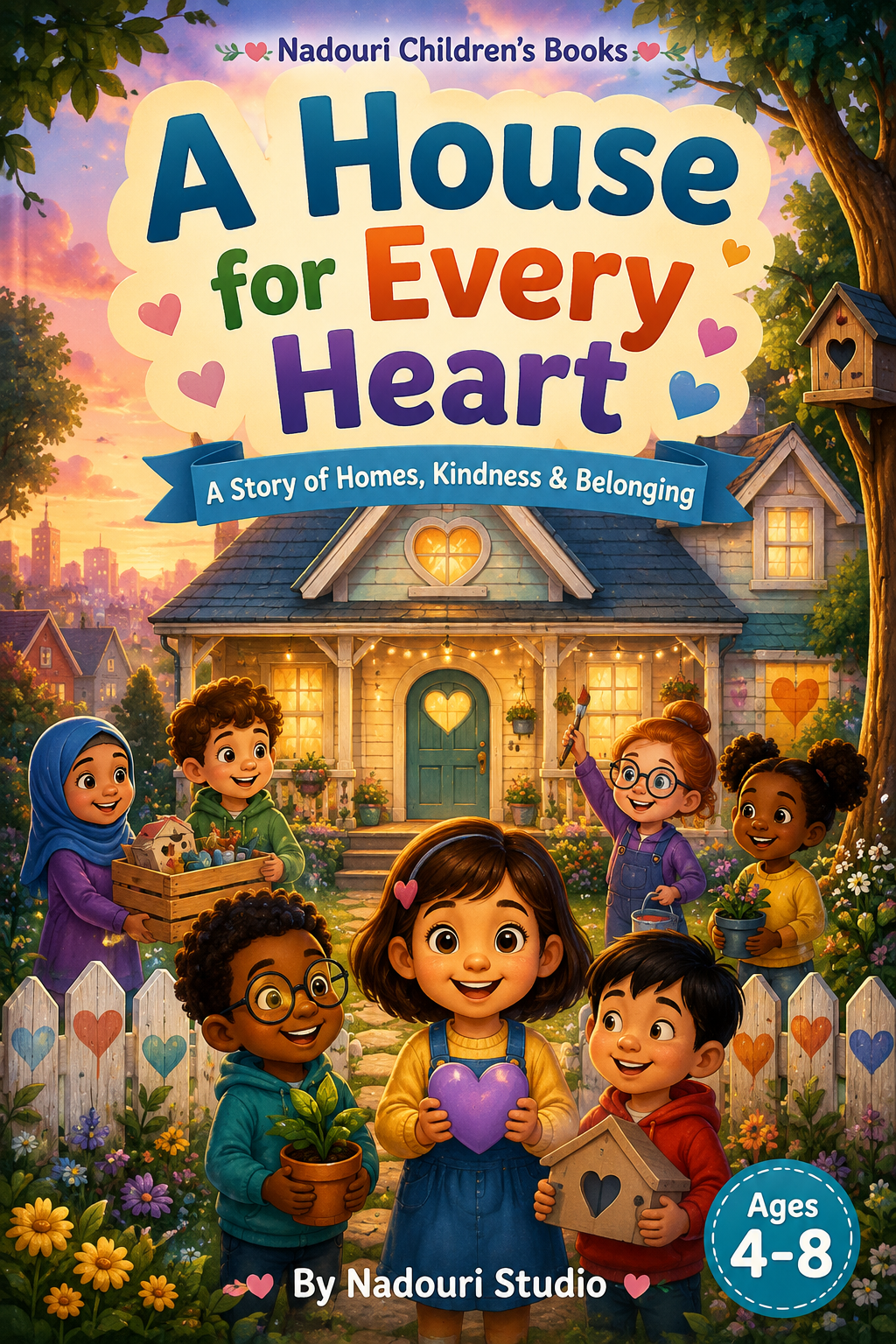
After a relevant picture, ask, “What could someone do to help a visitor feel welcome?” Invite children to suggest a greeting, a place to sit or another kind action. You can explore more titles in the Bedtime & Picture Books collection.
Adapt for quiet children and classroom groups
Accept pointing, gestures, a drawing or a short answer. Use a language your family is comfortable speaking. Let a child skip a question or choose another picture.
In a group, invite children to share an idea with a partner before offering it aloud. Make participation optional, and discuss fictional homes without requiring children to disclose private family circumstances.
For your next read-aloud, choose one inviting picture and one prompt. Listen to the answer, respond to that idea, and return to the story while the child still wants to hear it.