Free gift wrapping on orders over $40 — plus free US shipping over $35

Read-Aloud Questions That Start a Conversation

Use a few thoughtful read-aloud prompts, allow time to answer, and respond to children’s ideas. Includes original examples for home and classroom story time.

Read-Aloud Questions That Start a Conversation

Ask a question when something in a picture or story catches your child’s attention, pause for their response, and build on what they share. Choose a few useful prompts rather than interrupting every page. Children can also enjoy listening quietly; a conversation is an invitation, not a requirement to prove they understood the book.

Start with something your child notices

Before reading, show the cover and follow your child’s interest. If they point to a door, comment on the door before asking about the whole story. During reading, pause at a moment that offers something to discuss. Afterward, return to a picture they wanted to see again.

NAEYC’s guidance on asking questions recommends open-ended prompts, time to think, and attentive responses. Eastern Connecticut State University’s Family Reading Time resource explains that book conversations can support children’s language and early literacy. That supports making space for dialogue, without promising a particular reading outcome.

Four original prompts to try

These examples are suggestions created for this article. Use only the ones that fit the book and your child’s interest.

  • Notice: “Which little detail should we look at together?” Let your child point before you describe it.
  • Explain: “What in this picture helped you decide that?” Use this after a child offers an idea about a character or event.
  • Imagine: “If this character could ask us for help, what might they ask?” Accept more than one possibility when the story allows it.
  • Connect: “Where else have you seen something like that?” A memory, a different book or an imaginary example can continue the discussion.

A question does not need to be complicated to be useful. If an open prompt feels too broad, offer a choice about something visible in the illustration, then invite the child to explain or point.

Respond before asking another question

Suppose a child says, “That place is cozy.” You might reply, “You think it looks cozy. I notice the warm light. Show me what you noticed.” This acknowledges their idea and gives them a way to add to it.

If they offer an unexpected interpretation, look together: “Let’s check this picture and the words.” Explain factual details when needed, while keeping imaginative answers open when there is no single answer.

If the child says “I don’t know,” share your own observation and continue reading. Avoid immediately stacking several replacement questions.

Try a conversation about homes and belonging

A House for Every Heart is described in the store as a story about different homes, families and belonging. Its themes provide a starting point for a shared discussion; the prompts below are our additions, not quoted passages or included book activities.
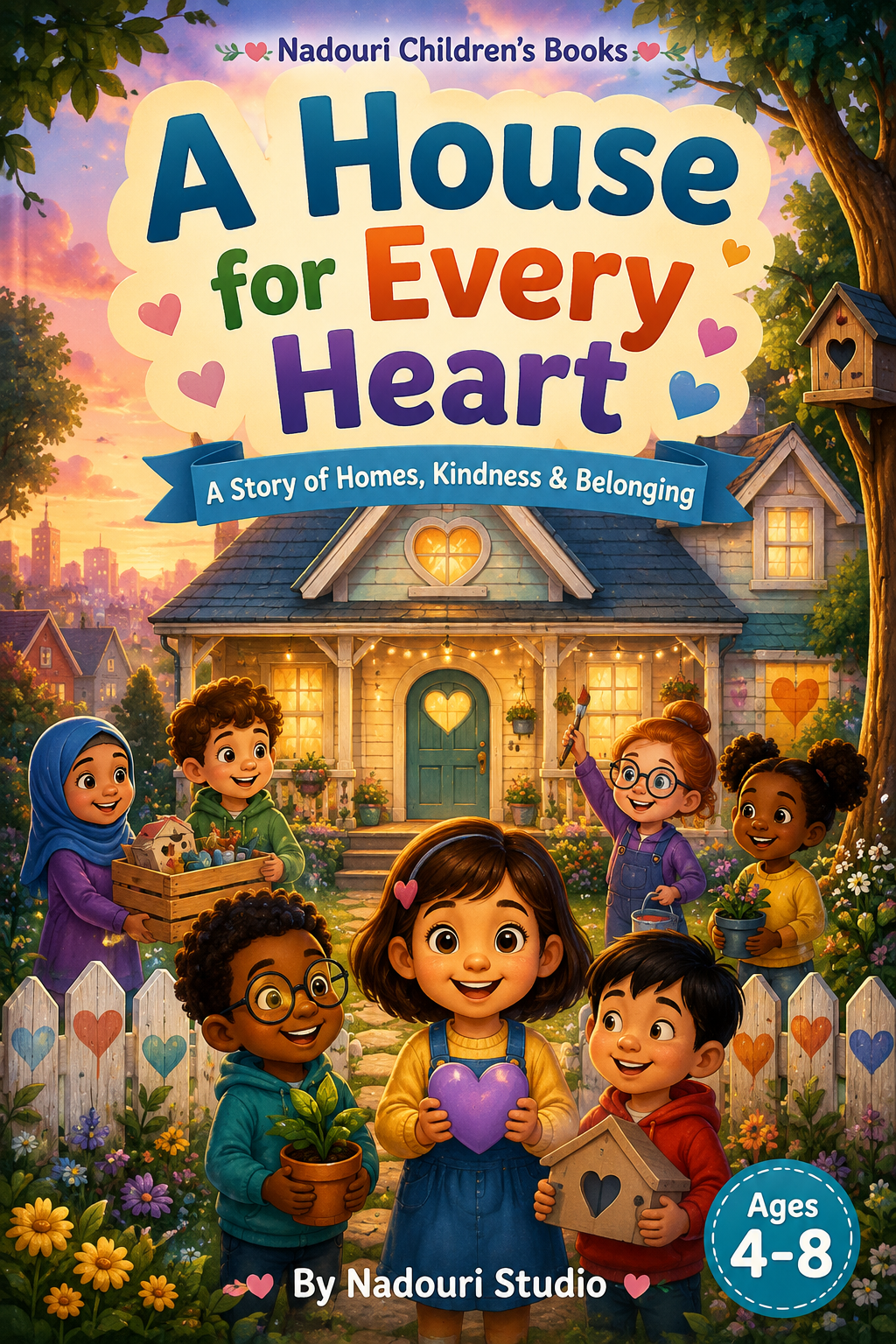
A House for Every Heart cover showing children with heart-shaped crafts outside a house
A picture book about homes and belonging can invite discussion of care and kindness.

After a relevant picture, ask, “What could someone do to help a visitor feel welcome?” Invite children to suggest a greeting, a place to sit or another kind action. You can explore more titles in the Bedtime & Picture Books collection.

Adapt for quiet children and classroom groups

Accept pointing, gestures, a drawing or a short answer. Use a language your family is comfortable speaking. Let a child skip a question or choose another picture.

In a group, invite children to share an idea with a partner before offering it aloud. Make participation optional, and discuss fictional homes without requiring children to disclose private family circumstances.

For your next read-aloud, choose one inviting picture and one prompt. Listen to the answer, respond to that idea, and return to the story while the child still wants to hear it.
How to Choose Coloring Pages for Preschoolers

Choose preschool coloring pages by picture size, detail and your child’s interests. Includes simple adaptations and ways to keep coloring pressure-free.

How to Choose Coloring Pages for Preschoolers

Choose coloring pages with generous spaces, clear outlines and a subject your preschooler wants to explore. Start with a manageable picture, offer blank paper alongside it, and adjust the detail to your child’s interest rather than treating an age label as a test. A page that invites a child to begin is more useful than one they feel they must finish.

Look at the picture before the age label

When browsing a book, inspect its sample pages. Imagine where your child’s crayon would move: are there broad areas to explore, or many tiny sections crowded together? A familiar animal or vehicle can provide a starting point, while a busy scene may suit a child who enjoys searching for little details.

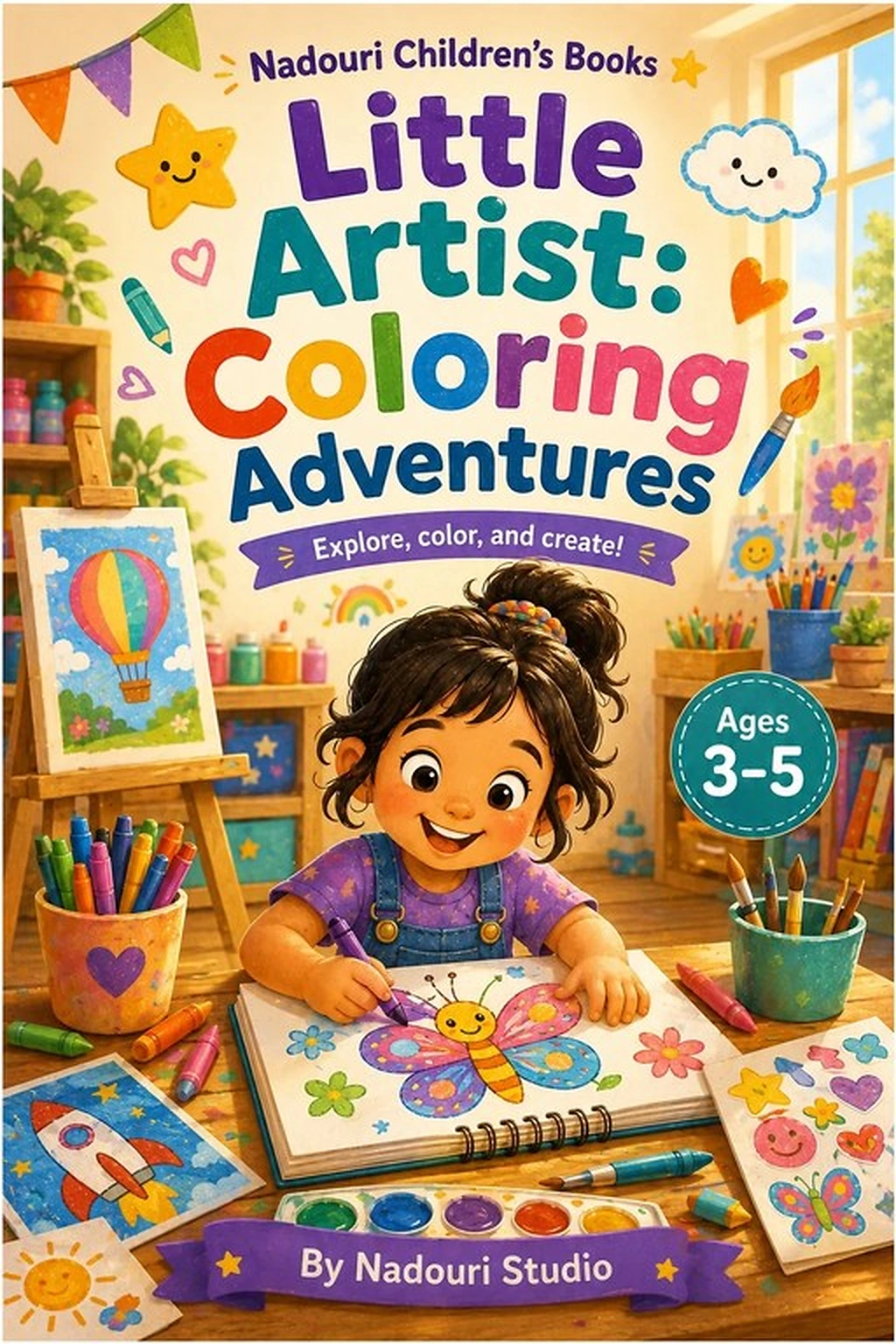
Our Little Artist: Coloring Adventures listing describes big, bold illustrations. View its previews to judge the actual pictures before choosing. The Coloring Books collection offers other options to compare.

Little Artist: Coloring Adventures cover showing a child coloring a butterfly
Check the product’s preview pages as well as its cover when choosing a coloring book.

Use a quick selection checklist

  • Open spaces: Can your child find one area they want to color without tackling the entire scene?
  • Clear shapes: Are the main objects easy to distinguish?
  • Personal interest: Would your child choose this subject when offered two pictures?
  • Comfortable materials: Offer crayons or pencils your child finds easy to use, with paper resting on a steady surface.
  • Room for invention: Can they add a background, unusual colors or their own marks?

These are practical selection suggestions, not a scoring system or a developmental assessment.

Should children stay inside the lines?

You can demonstrate careful coloring if a child asks how, without making neatness the condition for enjoying the page. Let them choose colors and decide when to stop. If a purple tiger or a scribbled sky is their plan, ask about the idea rather than correcting it.

NAEYC’s guidance on creativity distinguishes adult-directed, predetermined artwork from open-ended exploration and recommends providing blank paper and varied drawing materials. Coloring pages can be one optional activity; they should leave room in a child’s day for drawing freely, too.

Try three original ways to adapt a page

The following invitations are our own activity suggestions. They are not claims about activities included in a particular book.

  1. One favorite corner: Invite your child to choose a single part of a busy scene. Leave the rest uncolored, or return to it another day.
  2. Color, then invent: After coloring an animal, offer separate blank paper for an imaginary place it might visit. A few marks and a spoken story are enough.
  3. Two possible skies: On blank paper, explore colors for a stormy sky and a sunny sky. Let your child decide whether either belongs in their picture.

What if your child refuses or gets frustrated?

Offer a simpler picture, a different drawing tool, or blank paper. Ask whether they want company, help keeping the paper steady, or a break. Avoid taking over to produce a finished page.

In a classroom, offer the same choices without displaying one “correct” example for everyone to copy. Children may enjoy different levels of detail within the same group.

Keep the next choice small: two pictures and a blank sheet. Watch which option your child returns to willingly, then use that interest to guide the next selection.

A 15-Minute Screen-Free Activity Routine for Kids Ages 3–8

Build a flexible 15-minute screen-free routine with drawing, puzzles and storytelling. Includes age adaptations, a weekly rotation and simple ways to handle frustration.

A 15-Minute Screen-Free Activity Routine for Kids Ages 3–8

A simple screen-free activity routine can start with two choices, one short task and a chance for your child to show what they made. Put paper, crayons and a suitable book on the table, invite them to choose, and help them begin. You do not need a new craft project every day.

The 15-minute plan below is a suggested family routine, not a research-based time limit or a requirement. Shorten it, extend it or skip a step to suit the day. It is designed for children ages 3–8, with different ways to adjust the same activity for younger and older children.

Prepare a small activity basket

Keep a few materials together so getting started takes little preparation:

  • Plain paper and washable crayons or pencils.
  • One book with an activity your child can understand.
  • A few large paper shapes for arranging and drawing around.
  • A simple place to keep finished pictures and unfinished projects.

Choose materials appropriate for your child and supervise as needed. If a page requires scissors or extra supplies, prepare those separately rather than putting everything in front of the child at once.

The flexible 15-minute plan

Suggested time What to do Example invitation
First 2 minutes Offer two choices and explain the first step. “Would you like to draw a creature or try a puzzle?”
Next 8 minutes Work on one activity, helping when needed. “Let’s try the first part together.”
Next 3 minutes Share, tell a story or add a detail. “Tell me about the place you made.”
Last 2 minutes Put materials away and decide what to save. “Shall we keep this to finish another day?”

If your child becomes absorbed in a drawing, the clock does not need to interrupt it. If they are tired after five minutes, put the project away and return another time. The timetable is there to make planning easier for you.

Choose one main activity

Drawing: finish a surprising shape

Draw one large circle and invite your child to turn it into something. It could become an animal, a planet or a pretend machine. Start a separate picture yourself if they want company, allowing each drawing to develop differently.

For a younger child, ask about one feature: “What could go inside the circle?” For an older child, suggest two versions of the same shape or ask them to invent a name for their creation.

Puzzles: show the first move

Choose a puzzle with clear instructions and a manageable layout. For a maze, identify the start and finish together before making any marks. Let your child try a route with a finger, then use a pencil if they want.

If the page is frustrating, cover part of it, choose an easier one or solve a small section together. An older child could draw a new maze on plain paper and challenge you to solve it.

Storytelling: give a picture a problem

Look at a picture in a book or at your child’s drawing. Ask three questions: Who is here? What do they want? What happens next? A child can point, act out the answer or tell you a sentence.

Write down their words if they would like a record of the story. An older child might add speech bubbles or make a second picture showing how the problem is solved.

Using an activity book without rushing through it

An activity book can reduce the work of inventing a starting task. Look at the page before inviting your child to begin: are the instructions clear, is the challenge suitable, and do you have the materials?

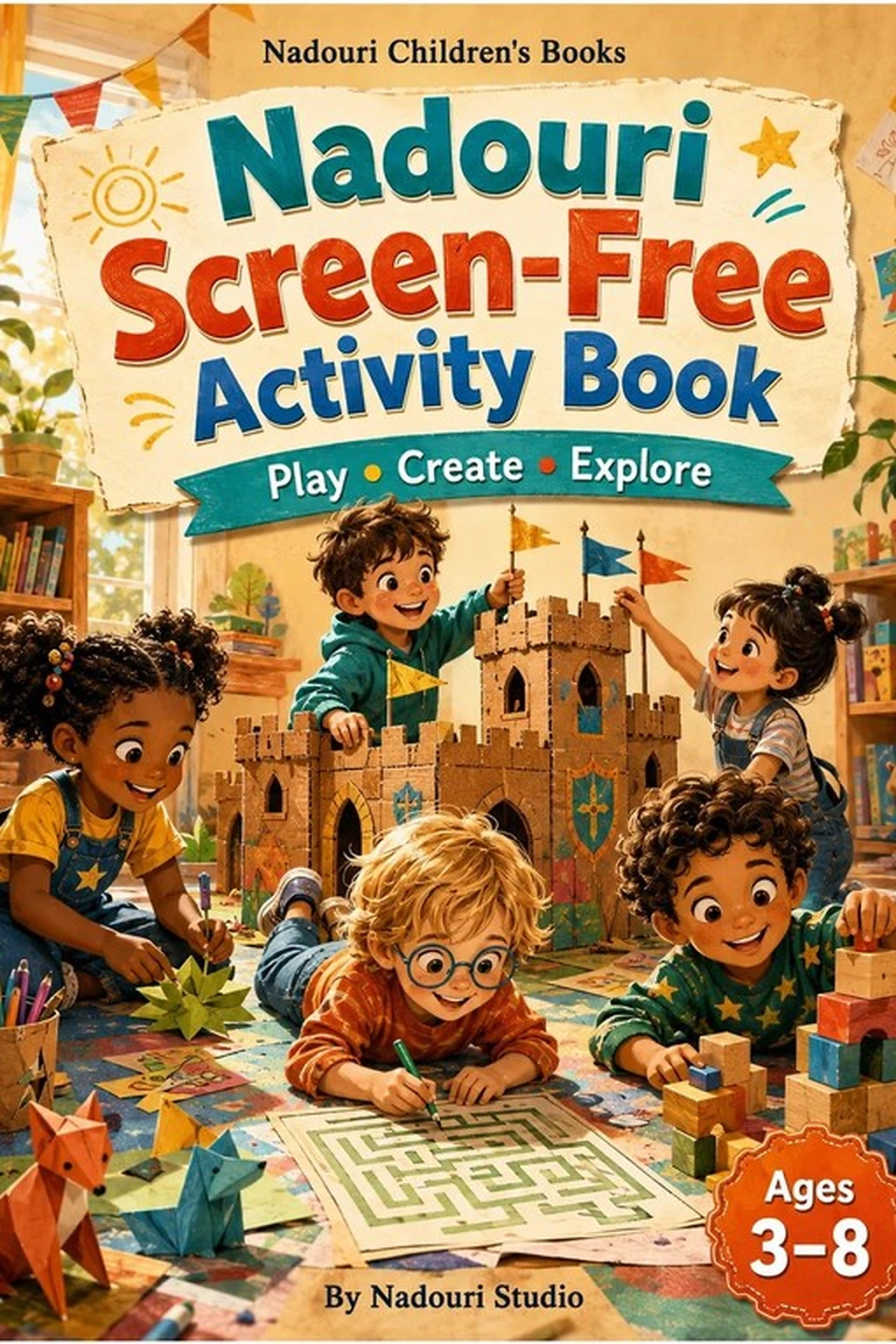
Our Nadouri Screen-Free Activity Book is described in the store as a mix of puzzles, drawing prompts and hands-on projects. Check its current previews and product details to decide whether it matches your child’s interests. The routine in this article is a separate suggestion; it does not require every activity to appear in that book.

Cover of the Nadouri Screen-Free Activity Book
Preview an activity before choosing it for your child’s routine.

You can also browse the Activity & Coloring collection. Pick a book for the type of activity your child enjoys rather than trying to finish the largest number of pages.

Keep variety simple

Use a loose weekly rotation: drawing on one day, a puzzle on another, a picture story next, then a favorite repeat. Leave another day open for your child’s choice. Reusing the same materials can still produce a different picture or story.

Head Start’s activities handbook for families offers examples of learning through everyday play and asks adults to reflect on what children enjoyed and whether a challenge was too easy or too hard. Use those questions when deciding what to repeat or change.

When the routine is not working

“I don’t want to.” Offer a smaller invitation, such as choosing a crayon or naming a character, and accept that another time may work better.

“This is too hard.” Demonstrate one step, simplify the task or switch pages. Ask whether they want help before taking over.

“I finished.” Invite an optional extra detail, a new ending or a chance to explain the work. Finishing does not have to create another assignment.

Two children need different challenges. Use a shared theme with different tasks. One child can draw a garden creature while the other writes its name or invents a short story about it.

Common questions

Should we complete a page every day?

You can leave a page unfinished. For this routine, success means finding an activity worth returning to, rather than reaching a daily page quota.

Does the child have to work independently?

No. You can start together, stay nearby or share the activity throughout. Adjust your help to the task and the child’s needs.

Do we need a printer?

No. Plain paper, an existing book and crayons are enough for the ideas above. If you choose a digital product, check its listing for its actual format and printing details before buying.

For your next session, set out two choices and try just the opening step. Keep the activity your child enjoys, simplify what causes frustration, and let the routine grow around your family.

7 Playful Alphabet Activities for Preschoolers Ages 3–5

Try seven simple alphabet activities with an alphabet book, paper and crayons. Help preschoolers explore letters through play, pictures and everyday conversation.

7 Playful Alphabet Activities for Preschoolers Ages 3–5

To introduce letters to a preschooler, start with a letter that means something to them, such as the first letter of their name. Look at it together, say its name, and turn the discovery into a short game. You can use an alphabet book, a sheet of paper and a few crayons; you do not need to complete a whole workbook in one sitting.

These seven alphabet activities for preschoolers are practical ideas for families with children ages 3–5. Choose one activity at a time and adjust it to your child’s interest. They are invitations to play, rather than a test or a promise that a child will learn to read by a particular date.

What are you helping your child notice?

Recognizing a letter, naming it and connecting it with a sound are related tasks, but they are not identical. A child might spot the letter M before they can name it. Head Start’s guide to alphabet knowledge and early writing describes learning about letter names and sounds, alongside the progression from making marks to forming letters.

For a home activity, choose a small goal: finding one familiar letter, matching two shapes or talking about one picture. The activity ideas below are our suggested ways to put that small goal into practice.

1. Make a name-letter detective game

Write your child’s name in large, clear letters. Point to its first letter and name it. Then look together for the same letter in a book title or on a familiar label. Say, “Here is M in Maya. Can we find another M?”

Start with letters that use the same shape and case. Once that feels familiar, show an uppercase and lowercase pair. Some pairs, such as A and a, look quite different, so explain the connection instead of expecting your child to guess it.

2. Turn one alphabet-book page into a conversation

Open an alphabet book to one page. Name the featured letter, talk about the picture and invite your child to point to something interesting. For a garden theme, you might discuss a flower’s color or imagine who could live beneath a leaf.

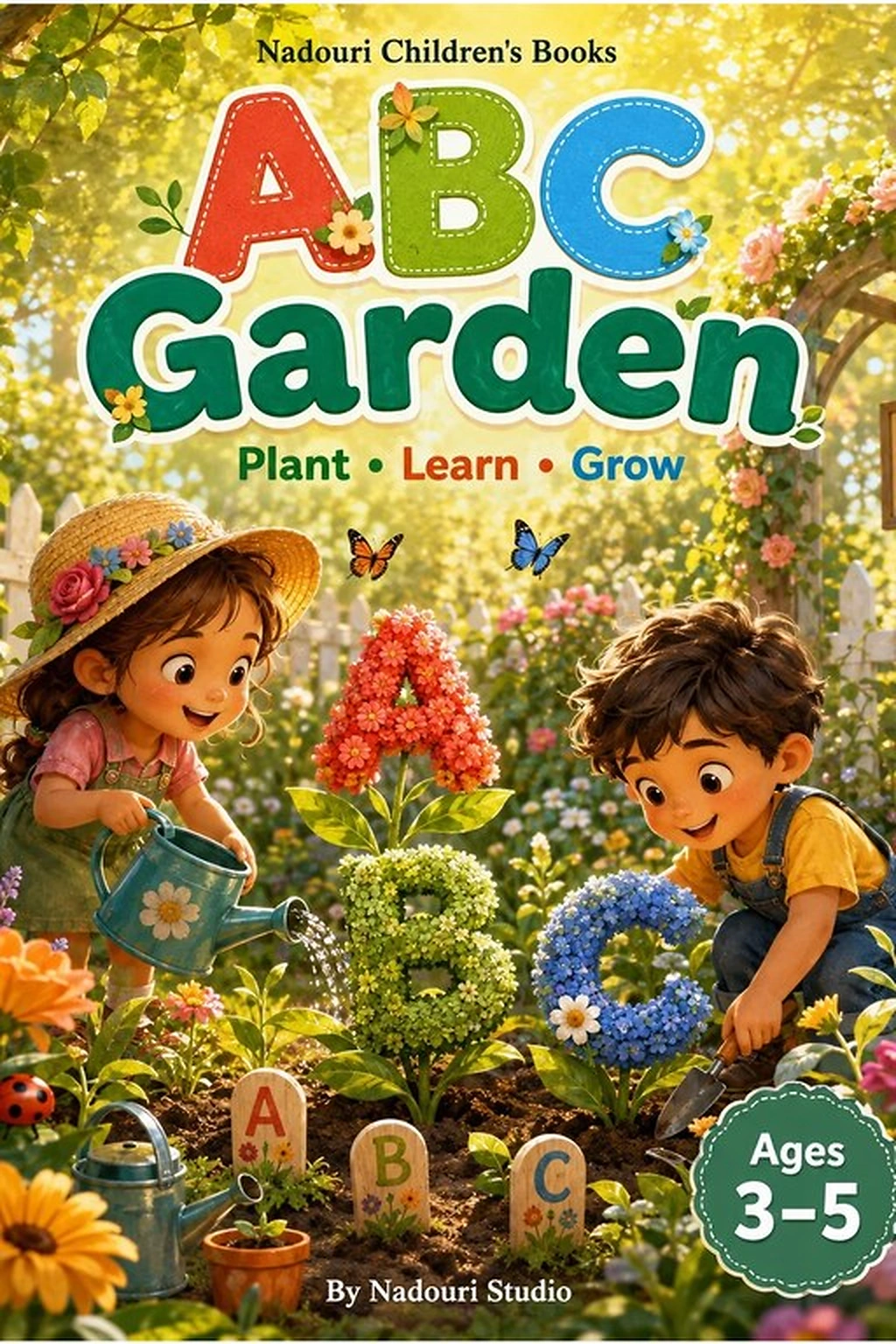
ABC Garden is a garden-themed alphabet title in our Early Learning collection. A book gives you a starting picture; your questions and your child’s ideas can take the conversation beyond the page.

Cover of ABC Garden, a garden-themed alphabet book from Nadouri Children's Books
ABC Garden: a book to explore together, one letter at a time.

3. Build a letter with paper strips

Draw a large L on paper and make a second L with two broad paper strips. Talk about the long line and the short line. Let your child move the strips and compare their shape with the drawn letter.

For a curved letter, use a broad strip you can bend or simply trace the curve with a finger. Choose large, child-appropriate materials and stay nearby. The aim is to explore the shape, so a slightly crooked letter is welcome.

4. Match a tiny set of letter cards

Make two cards each for three letters your child has encountered. Lay out one set and offer a card from the other. Ask, “Which one looks the same?” Begin with all cards face up.

If six cards feel like too much, use only two matching pairs. To change the challenge later, match uppercase letters with their lowercase partners, explaining each pair as you introduce it.

5. Play a first-sound picture game

Draw a sun, a sock and a moon. Say each word naturally, then draw attention to its first sound. Ask which two start with /s/. You can model the answer first: “Sun and sock start with the same sound.”

Distinguish the letter name from the sound: the letter S is named “ess,” while the starting sound in sun is /s/. Keep early examples straightforward rather than introducing several spellings or pronunciation rules at once.

6. Make a pretend garden sign

Invite your child to draw a garden and choose a name for it. Write their chosen name on a separate piece of paper while they watch. They can add their own marks, a familiar letter or a drawing to a sign.

Ask what their sign says and listen to the answer. You can write their exact words underneath. This gives the marks a purpose without requiring perfectly formed letters or correct spelling.

7. Let your child lead the letter hunt

Return to a familiar book and swap roles. Your child chooses a letter for you to find. Think aloud as you look: “This one has a straight line, but I am looking for a curve.” Let them help you.

Finish by asking which letter they would like to explore next time. If they choose the same one again, change the game around that letter rather than insisting on a new page.

A simple way to fit the activities into your day

Pick one letter and one game, put the materials within reach, and begin together. A short session can end with your child showing their favorite discovery. There is no required number of minutes or pages; stop or switch activities when the game no longer feels enjoyable.

Common questions

Do we have to teach the alphabet in A-to-Z order?

For these games, you can begin with a familiar letter from a name or favorite book. An alphabet song can still be fun, but recognizing a particular letter is a different task from singing the sequence.

What if my child does not want to trace letters?

Use the picture conversation, matching game or pretend sign instead. You can return to tracing another day. Drawing and talking can remain part of your shared book time.

Can we use our home language?

Yes. Talk about the pictures in the language your family uses comfortably. When exploring English letters, name the English example word clearly; if your home language uses a different writing system, introduce its symbols as their own system rather than assuming each one has a direct English equivalent.

Choose one of the games to try with a book you already own, or explore ABC Garden and its current product details. One familiar letter and a shared conversation are enough to begin.